
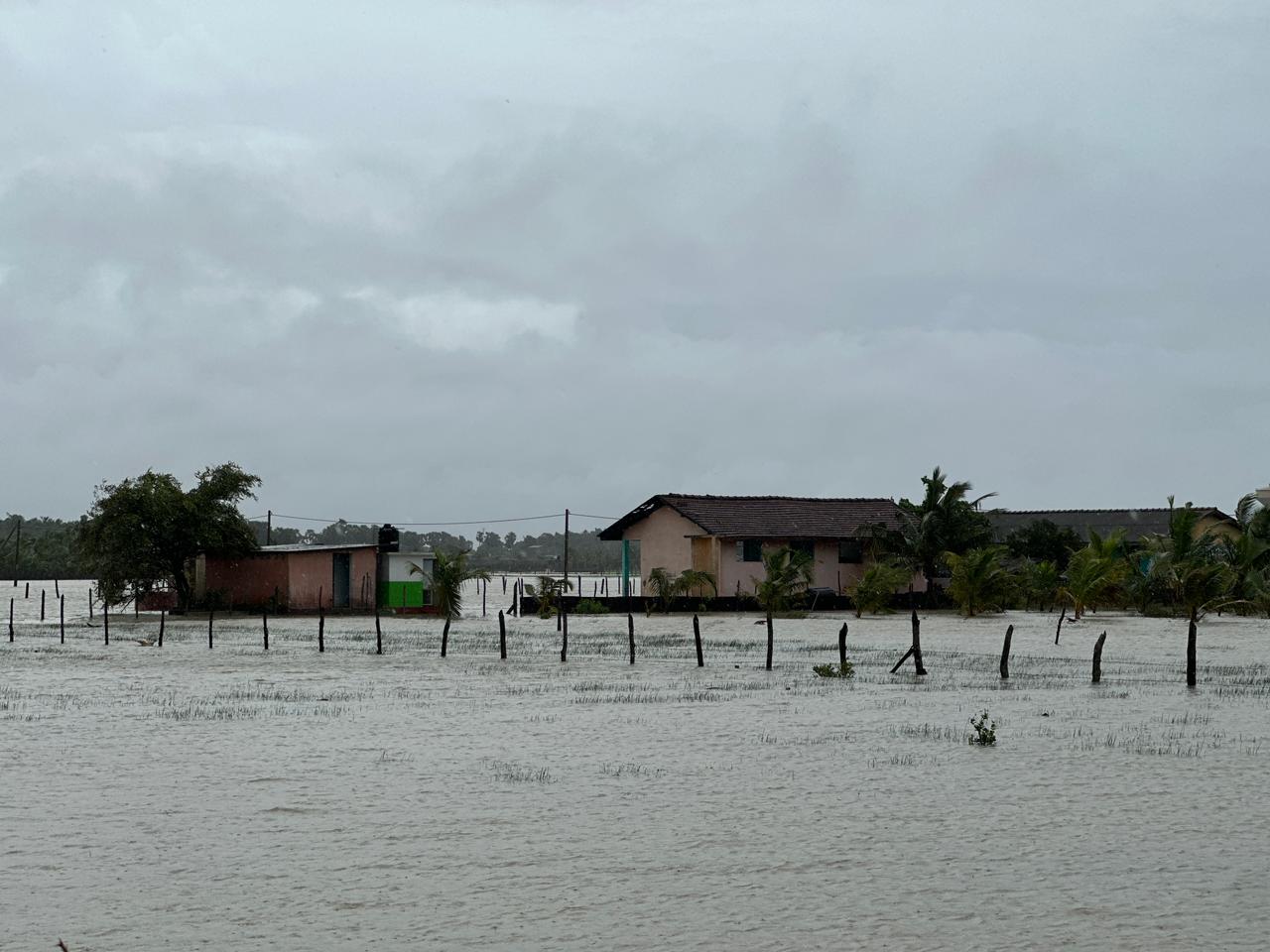
After the Floods: Why Survivors Still Need Help Long After the Rain Stops
When a cyclone ends, the suffering doesn't. Families face contaminated water, disease outbreaks, destroyed homes, emotional trauma, and months of recovery. Here's why survivors urgently need sustained support even after the skies clear.
Al-Ihsan Foundation
Humanitarian Research Team
Key Takeaways
- Why the crisis doesn't end when the cyclone stops
- What families find when they return home
- How diseases spread after floods
- Why floods cause hunger and food shortages
- The emotional impact of disasters
- How long recovery takes after a cyclone
- How your Sadaqah can bring hope after the storm
Why doesn't the crisis end when the cyclone stops?
Because the biggest dangers come after the rain.
When the sky clears after a cyclone, the suffering doesn't end.
For many families, it's only the beginning.
Floodwaters remain stagnant for weeks, and landslides continue to threaten hill-country communities. Wells are contaminated. Homes are unsafe. And families begin the difficult, heartbreaking task of returning to what's left of their lives- homes filled with mud, broken walls, unsafe wiring, and destroyed belongings.
The world sees the storm. But survivors live through the aftermath.
What do families find when they return home?
Survivors often come back to:
- Mud knee-deep inside houses
- Walls cracked or on the verge of collapsing
- Furniture destroyed
- No electricity
- Valuable belongings ruined
- No access to clean water
For elderly people, widowed mothers, and families living in poverty, the clean-up alone is overwhelming, and impossible without help.
Why do diseases spread so quickly after floods?
Stagnant water becomes a dangerous mix of:
- Sewage
- Waste
- Chemicals
- Rotting debris
- Dead animals
- Overflowing drains
This leads to outbreaks of:
- Diarrhoea
- Skin infections
- Leptospirosis
- Typhoid
- Dengue and malaria
Children are the most at risk, and hospitals in Sri Lanka are already reporting strain. This is why clean water, hygiene kits, and sanitation items are critical.
How do floods cause hunger and food shortages?
Floods destroy everything families rely on:
- Stored food
- Cooking supplies
- Markets
- Delivery routes
- Farmland and crops
With transport routes cut, prices rise sharply. Families with nothing left cannot afford even basic food. Hot meals and food packs become lifesaving.
What emotional impact do disasters leave behind?
The psychological toll is deep.
Survivors report:
- Children crying whenever rain begins
- Mothers who fled with babies and lost everything
- Fathers unable to work
- Elderly people confused and traumatised
Humanitarian aid is not only physical, it is emotional relief and reassurance.
How long does recovery take after a cyclone?
Recovery is slow and exhausting.
Families need:
- Shelter materials
- Bedding
- Clothing
- Long-term hygiene support
- Food
- Clean water
- Medical care
- Emotional support
Rebuilding a home, a livelihood, and a sense of safety can take months or even years.
How can your Sadaqah bring hope after the storm?
Your donation supports families not only during the height of the crisis, but after the rain stops.
- Food
- Water
- Hygiene
- Shelter
- Hope
A believer's mercy leaves a mark beyond this world:
"Whoever does an atom's weight of good will see it."
- Qur'an 99:7
May Allah allow your kindness to be a source of relief for every family suffering hardship. Ameen
Stay Informed
Stay Connected and Inspire Change with Al-Ihsan
Stay connected, inspire meaningful change, and support compassionate community efforts through Al-Ihsan.