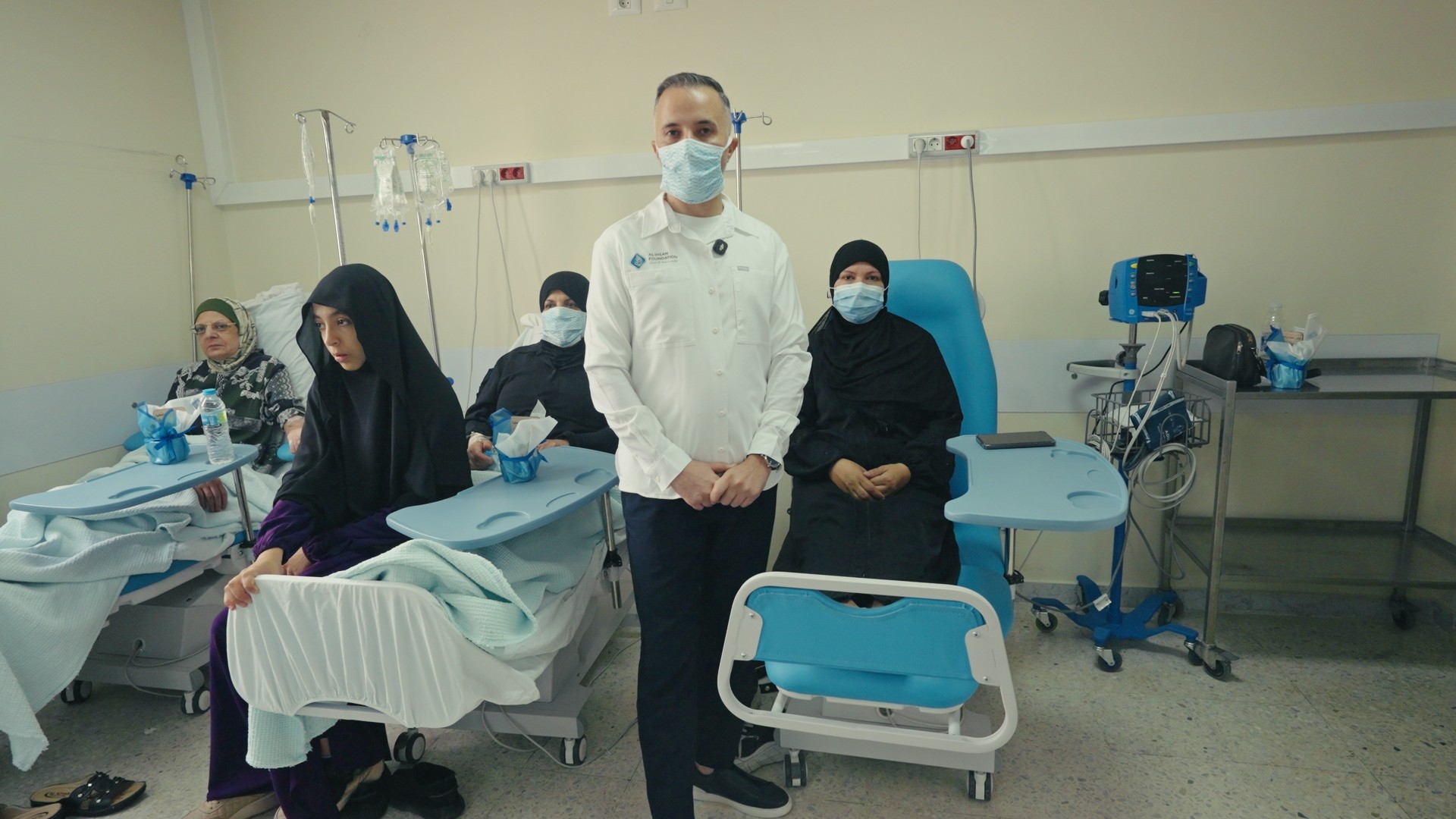
Cancer Treatment in Lebanon: When Patients Struggle to Afford Care
Cancer care is not only about whether treatment is available. People also need to be able to afford it.
Cancer care in Lebanon is improving in some areas, but the cost of treatment is still difficult for some patients to manage. A 2026 study found that money was one of the reasons some patients experienced delays in starting cancer treatment.
In this article, we look at what recent research tells us about the cost of cancer treatment in Lebanon and why some patients still struggle to afford the care they need.
Al-Ihsan Foundation
Humanitarian Aid Team
Key Takeaways
- Cancer treatment can create extra costs while illness and treatment may also affect a person's ability to work.
- A 2026 study of 244 cancer patients in Beirut found that financial difficulties were one reason some patients experienced treatment delays.
- Cost was not the only reason treatment was delayed.
- Lebanon is making progress in cancer care, but treatment being available and treatment being affordable are not always the same thing.
- Al-Ihsan Foundation's chemotherapy program helps eligible patients experiencing financial hardship with the cost of prescribed treatment.
How Cancer Treatment Can Affect a Family Financially
When someone is diagnosed with cancer, treatment begins. Everyday life doesn't stop.
There is still rent to pay, food to buy, children to care for and household bills to manage.
At the same time, illness and treatment can affect someone's ability to work. A family member may also need to take time away from work to help with appointments or care. Then there are the costs connected with treatment itself.
The cost of cancer doesn't stay inside the hospital. It can follow a person home.
Lebanon's National Cancer Plan recognises this pressure on patients and their families, and the need to make cancer care more affordable.
What Does Recent Research Tell Us About Cancer Treatment Delays?
A study published in Current Oncology in August 2026 followed 244 adults receiving cancer care at five hospitals in Beirut. Conducted between June 2024 and June 2025, the study looked at treatment delays and whether patients were able to complete their treatment as planned.
What Did the Study Find?
- •88.1% said their household income had fallen since Lebanon's economic crisis began.
- •52.5% experienced a delay of more than two weeks in starting treatment.
- •9% received an incomplete treatment plan or a reduced dose.
- •Among patients whose treatment was delayed, 27.3% said financial difficulties were one of the reasons.
Money was not the only reason treatment was delayed. Patients also reported waiting for surgery, tests or approvals, as well as problems with treatment availability.
These findings help show why access to cancer treatment is more than whether care exists. For some patients, being able to afford that care can also affect whether they can access it.
Source: Impact of Lebanon's Economic Crisis on Cancer Care Delivery, Current Oncology, August 2026.
Is Cancer Care Improving in Lebanon?
There are signs of progress.
In February 2026, the World Health Organization (WHO) and Lebanon's Ministry of Public Health reported progress under the country's National Cancer Plan 2023–2028, while also recognising that gaps remain.
Lebanon is working to improve cancer prevention, early detection and treatment. WHO has also reported progress in access to cancer medicines and care for children with cancer.
But cost remains part of the picture. Lebanon's National Cancer Plan recognises the financial pressure cancer can place on patients and their families, and the need to make care more affordable.
Cancer care in Lebanon is moving forward. But treatment being available and treatment being affordable are not always the same thing.
Why Might Someone Need More Than One Chemotherapy Session?
Cancer treatment is different for every person.
A person's medical team decides which treatment is right for them based on the type and stage of their cancer, what the treatment is intended to do and their individual circumstances.
Chemotherapy is often given over a series of treatment cycles. A cycle usually includes treatment followed by a break, giving the body time to recover. How many cycles a person needs and how often they receive them depends on their treatment plan and how their body responds.
Sometimes, a medical team may need to change the schedule or delay a session.
Helping with the cost of chemotherapy does not guarantee how someone will respond to treatment. But it can make one part of receiving that treatment easier to manage: paying for it.
Meet Maha: A Mother Continuing Cancer Treatment
Behind these figures are people trying to continue treatment while everyday life continues around them.
Maha is a mother of five receiving treatment for breast cancer in Lebanon. After surgery to remove the tumour, she is continuing the treatment prescribed by her medical team.
Her story shows what the physical and financial pressures of cancer treatment can mean for one family.
Help With the Cost of Chemotherapy
For some cancer patients, the difficulty is being able to afford the treatment they need.
This is where Al-Ihsan Foundation can help.
Patients experiencing financial hardship are referred to an Al-Ihsan Foundation case worker, who assesses whether they are eligible for financial support. Their medical team decides what treatment they need.
If support is approved, Al-Ihsan confirms the cost of treatment with Orange Nassau Governmental Hospital in Tripoli, Lebanon, and pays the hospital directly.
Sources
- •Current Oncology, August 2026: Impact of Lebanon's Economic Crisis on Cancer Care Delivery: A Multicenter Cross-Sectional Study of Treatment Initiation Delays and Incomplete Therapy
- •World Health Organization, February 2026: World Cancer Day: Lebanon Reaffirms Commitment to Prevention, Care and Resilient Cancer Control
- •Lebanon Ministry of Public Health: National Cancer Plan 2023–2028
- •Cancer Council NSW: Chemotherapy Types and How They Are Given
Frequently Asked Questions
Stay Informed
Stay Connected and Inspire Change with Al-Ihsan
Stay connected, inspire meaningful change, and support compassionate community efforts through Al-Ihsan.