Cataract Blindness in Low-Income Communities: Why Access Matters
90% of cataract blindness affects low-income communities with little access to surgery. Learn why cataracts remain untreated and how your support restores vision.
Al-Ihsan Foundation
Humanitarian Aid Team
Key Takeaways
- Cataracts cause more blindness than any other eye condition worldwide
- 20 million people remain blind from untreated cataracts
- 90% of cataract blindness affects low-income communities
- $110 provides one cataract surgery
- Our teams operate in Niger, Uganda, Bangladesh and Indonesia
Why is Cataract Blindness a Global Problem?
Cataracts cause more blindness than any other eye condition worldwide, more than glaucoma, macular degeneration, and diabetic retinopathy combined.
Yet in wealthier countries, cataracts are no longer feared. A 20-minute surgery restores sight and independence. For patients in the developing world, however, the story could not be more different.
An estimated 20 million people remain blind from untreated cataracts, and 90% of them live in lower-income regions where eye care is out of reach.
Why Do So Many People Remain Untreated?
There are two main reasons: lack of access to doctors and poverty.
In parts of Africa, including Uganda, there are fewer than 10 ophthalmologists for the entire population. That means millions of people cannot possibly be seen, let alone treated.
Where doctors do exist, they are often based in big cities. Families in rural areas often cannot afford the travel, accommodation, or hospital fees, even if they are aware of the surgery.
In fact, the average across Africa is just 2.7 cataract surgeons per million people. Compare this with high-income countries, and the inequality becomes clear.
For families living in poverty, paying for surgery or even getting to a clinic is out of reach.
A Grandmother's Story: From Darkness to Light
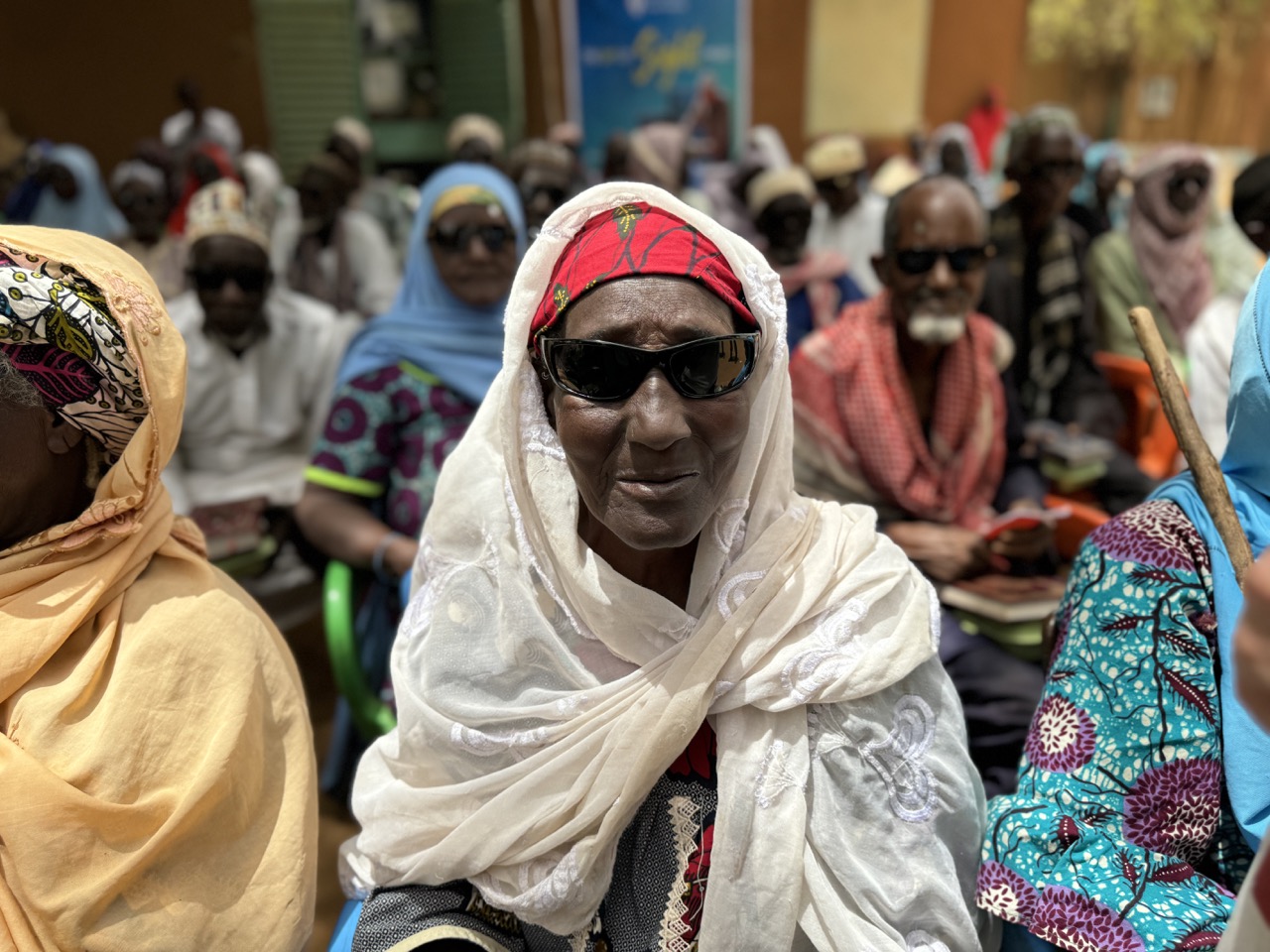
One of the people we met through the Gift of Sight campaign was Beba, a 60-year-old grandmother of 11 from Niger.
For years, cataracts had stolen her sight. She could no longer see her grandchildren's faces, read, or walk confidently without her stick. Slowly, she became more dependent on her family, and her world shrank into darkness.
When her daughter heard about Al-Ihsan Foundation's free cataract surgeries, she registered her name. She brought Beba for pre-screening. Alhamdulillah, she was a suitable candidate.
The day of the surgery, Beba was nervous but full of hope. When the bandages were removed, her reaction was unforgettable. She looked at her family, her neighbours, her community, and with tears of joy, she threw away her walking stick, knowing she didn't need it.
Her life changed from struggle and dependence to one filled with light, connection, and independence.
How Your Donation Changes Lives
Stories like Beba's are only possible because of people like you. With your help, our teams of experienced ophthalmologists and nurses deliver cataract surgeries in places like Niger, Uganda, Bangladesh and Indonesia, where families would otherwise remain in darkness.
$110
provides one cataract surgery
$550
helps restore sight for five people
$1,100
transforms the lives of ten people
For someone living with blindness, this is more than medical care. It brings back dignity, independence, and hope.
Give the Gift of Sight today
Cataracts should not be a life sentence. A simple surgery can bring hope and happiness, just like it did for Beba.
Donate Now. Give the Gift of Sight
Because everyone deserves the chance to see their loved ones again.
Help Restore Vision to Those in Need
Together, we can bring light back into the lives of those living in darkness. Your support makes miracles possible.
Frequently Asked Questions
Stay Informed
Stay Connected and Inspire Change with Al-Ihsan
Stay connected, inspire meaningful change, and support compassionate community efforts through Al-Ihsan.