Feeding the Hungry in Islam: Lessons from Umar ibn al-Khattab (RA) and the Mothers of Today
Learn how the legacy of Umar ibn al-Khattab (RA) and today's mothers shows the Islamic duty to feed the hungry with compassion, faith, and action.
Al-Ihsan Foundation
Islamic Research Team
Key Takeaways
- The story of Umar ibn al-Khattab (RA) feeding hungry children
- Islamic duty to feed the vulnerable and hungry
- Modern-day hunger crisis in Gaza, Uganda, and beyond
- The role of mothers in bearing the burden of hunger
- How charity restores dignity and hope
The Legacy of Compassion Lives On
The Qur'an and Sunnah are filled with calls to care for the vulnerable, especially those who go hungry. One of the most powerful examples comes from Umar ibn al-Khattab (RA), whose late-night patrols once led him to a mother boiling nothing but water and rocks, trying to soothe her starving children.
This is not a story locked in the past.
It's unfolding right now.
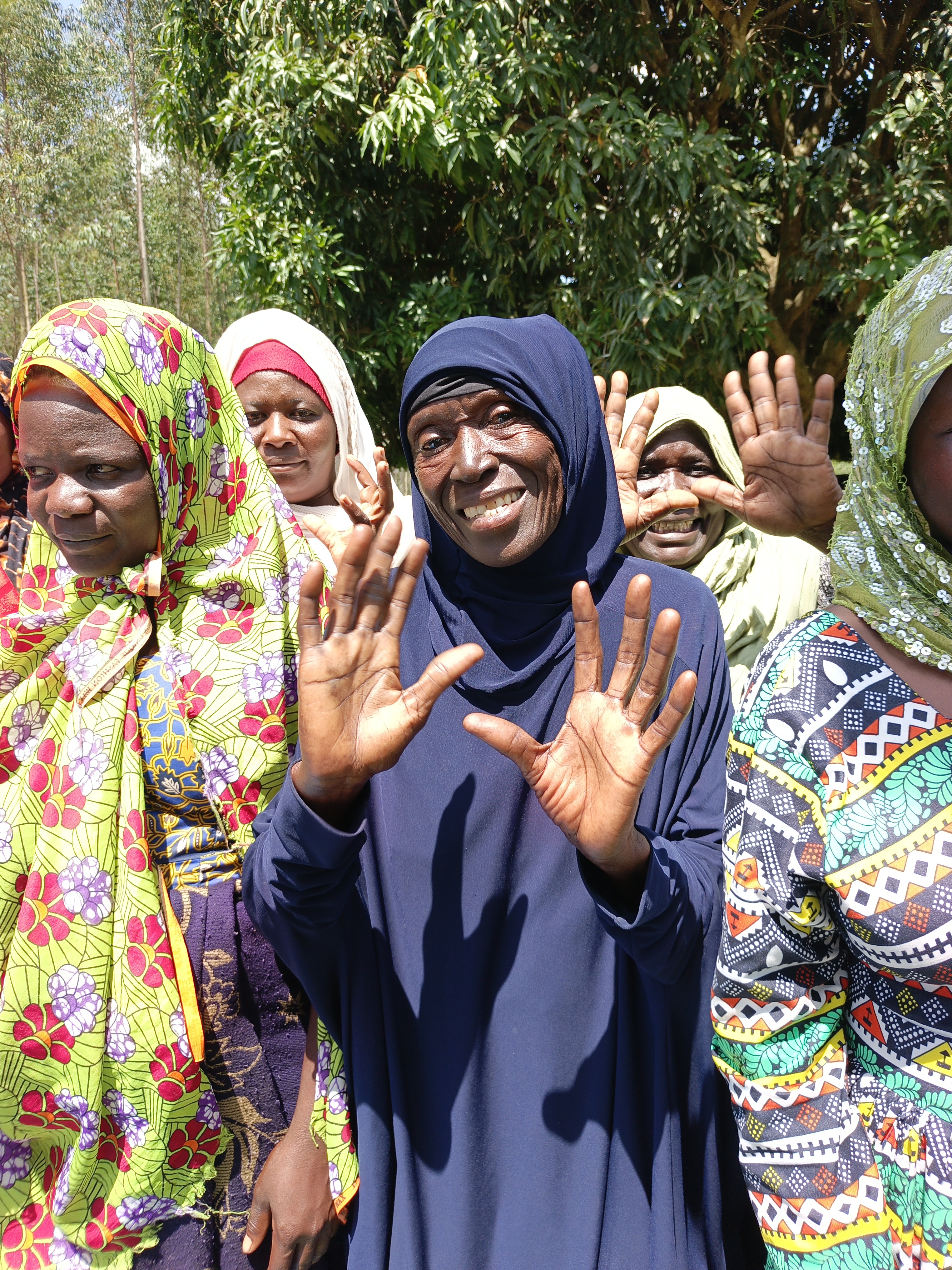
In Gaza, mothers tear small portions of mouldy bread between her children.
In Uganda, children go to sleep with nothing in their stomachs but silent du'a.
In refugee camps, fires are lit under empty pots, not to cook food, but to calm restless children.
A Legacy of Accountability and Compassion
Umar ibn al-Khattab (RA), the second Caliph of Islam, saw himself as personally responsible for every hungry soul in his Ummah.
During one of his nighttime patrols, he came across a mother and her children, travelers huddled around a fire. The children were crying. When he asked why, the mother replied, "They are hungry. I've placed water and stones in the pot to make them think food is coming. Maybe they'll fall asleep waiting."
She didn't know she was speaking to the Caliph. And she had no idea that her quiet suffering would spark a legacy still spoken of today.
Umar (RA) rushed to the public storehouse, filled a sack with flour and provisions, and when his servant offered to carry it, he refused.
He said, "Will you carry my burden on the Day of Judgment?"
He carried it himself. He cooked it himself.
He fed the children with his own hands, and stayed until they were content.
That night, a leader didn't just give charity.
He restored dignity.
Feeding the Needy: A Sacred Obligation
"And they give food, in spite of love for it, to the needy, the orphan, and the captive, (saying, 'We feed you only for the sake of Allah."
- Surah Al-Insan:76:8–9
Feeding the hungry in Islam is not an act of generosity, it's a sacred duty.
The Prophet ﷺ taught us:
"The best of you are those who feed others."
- Musnad Ahmad
"He is not a believer whose stomach is filled while his neighbor goes hungry."
- Sahih al-Bukhari
Today's Reality: The Pot Still Boils
Today, the same pain echoes across the globe:
In Gaza, siege and famine have made food a luxury.
In Congo and Uganda, entire villages wait for relief under the scorching sun.
In Lebanon, widows make do with little, or nothing at all.
In Sri Lanka and Bangladesh, poverty has made daily meals impossible.
And still, the pot boils. Not with food. But with hope.
Hope that someone will notice. That someone will care.
Why Mothers Are Central to This Mission
The Prophet ﷺ told us that Paradise lies beneath the feet of mothers, yet in crisis zones, it is mothers who bear the heaviest burden.
They hide their own hunger. They feed their children first.
They carry the weight of war, poverty, and displacement, silently, daily, endlessly.
When we feed a family, we do more than fill a plate.
We ease a mother's burden. We give her back the love to feed her children, with dignity, in her own way.
The Story of Umar ibn al-Khattab (RA) and the Empty Pot
The story of Umar ibn al-Khattab (RA) feeding hungry children is more than history, it's a legacy of responsibility. Today, in Gaza, Uganda, and beyond, mothers still boil empty pots. The fire is real. The hunger is real. And our duty, as an Ummah, is still the same: to feed, with love, for the sake of Allah ﷻ.
Key Lessons from Umar (RA):
-
Personal responsibility for every hungry soul
-
Carrying your own burden of charity
-
Restoring dignity through compassionate action
-
Staying until the need is fully met
The Islamic Perspective on Feeding the Hungry
Islam places feeding the hungry as one of the highest forms of worship. The Prophet ﷺ emphasized this repeatedly:
"Whoever feeds a hungry person, Allah will feed him from the fruits of Paradise."
- Tirmidhi
"The believer's shade on the Day of Resurrection will be his charity."
- Tirmidhi
"Charity extinguishes sin as water extinguishes fire."
- Tirmidhi
These teachings show that feeding the hungry is not optional—it's a fundamental part of our faith.
Modern-Day Hunger Crisis: Where We Stand
Gaza Crisis
Siege and famine have made food a luxury. Families survive on minimal rations, with children going days without proper meals.
East Africa
In Uganda and Congo, entire villages wait for relief under the scorching sun. Drought and conflict have devastated food supplies.
South Asia
In Sri Lanka and Bangladesh, poverty has made daily meals impossible for millions of families.
Lebanon
Economic collapse has left widows and families making do with little, or nothing at all.
The Role of Mothers in Bearing Hunger's Burden
The Prophet ﷺ told us that Paradise lies beneath the feet of mothers, yet in crisis zones, it is mothers who bear the heaviest burden.
How Mothers Suffer:
-
They hide their own hunger to feed their children first
-
They carry the weight of war, poverty, and displacement silently
-
They boil empty pots to calm restless children
-
They endure daily, endlessly, without complaint
When we feed a family, we do more than fill a plate. We ease a mother's burden. We give her back the dignity to feed her children in her own way.
What You Can Do: Following Umar's Example
Take Personal Responsibility
Like Umar (RA), see yourself as personally responsible for every hungry soul. Don't delegate your duty of charity.
Feed with Dignity
Don't just give food—restore dignity. Support families through our emergency food programs in Gaza, Uganda, and beyond.
Stay Until the Need is Met
Like Umar (RA), stay committed to the cause. Regular donations ensure families don't go hungry day after day.
The Legacy Continues: Your Role in the Story
The story of Umar ibn al-Khattab (RA) is not just history—it's a call to action for every Muslim today.
The pot still boils. The children still cry.
But now, you can be the one who answers their call.
When you donate to feed the hungry, you're not just giving charity—you're continuing the legacy of Umar (RA). You're showing that the Ummah still cares, still acts, still remembers its duty to the vulnerable.
Remember:
-
Every meal you provide is an act of worship
-
Every family you feed restores dignity
-
Every donation continues Umar's legacy
The question is not whether hunger exists—it does. The question is: Will you be the one who answers the call?
Frequently Asked Questions
Stay Informed
Stay Connected and Inspire Change with Al-Ihsan
Stay connected, inspire meaningful change, and support compassionate community efforts through Al-Ihsan.