Storm Byron Hits Gaza: Winter Floods, Soaked Tents, and Families Facing Their Third Winter in Crisis
Storm Byron began sweeping across Gaza this week, bringing heavy rain, fierce winds, and widespread flooding across displacement camps. For families now enduring their third winter in crisis, the storm has turned already unbearable living conditions into a struggle for basic survival. Floodwater is pouring into makeshift tents, soaking clothing, bedding, firewood, and the little food families work so hard to preserve. Nylon walls shake in the wind. Mattresses become heavy with water. Children shiver in the only outfit they own. The UN warns that more than 1.5 million displaced Palestinians are sheltering in areas that are "highly vulnerable to rainfall and flooding" due to barren, compacted terrain (OCHA, Winter Risk Mapping 2024–2025). Winter in Gaza deepens every hardship, cold, hunger, illness, and the fear of losing the few possessions families still have left.
What Happens When a Winter Storm Hits Gaza's Tents?
Displacement camps in Gaza sit on flood-prone, open ground, where even moderate rainfall can devastate entire communities. When storms like Byron hit, families experience: Tents filling rapidly with cold, contaminated water. Clothing, bedding, and mattresses soaked beyond use. Bread and food supplies ruined within minutes. Children unable to stay warm in wet outfits. Open sewage mixing with floodwater. Injured or elderly people struggling to move through rising water. Fires extinguished, leaving families with no warmth or way to cook. During previous winter storms, OCHA recorded flooding across more than 200 high-risk displacement sites, affecting over 140,000 people. Families were forced to flee in the dark, carrying children above the waterline to keep them safe. This is the reality families brace for every winter—now intensified by Storm Byron.
Why Gaza's Makeshift Shelters Cannot Withstand Rain or Wind
Most displaced families are living in shelters made from whatever materials they could salvage: Old blankets. Tarpaulin sheets. Nylon fabric. Plastic bags. Ropes and thin poles. Burnt or torn canvas. These shelters: Provide almost no insulation. Collapse or tear in strong wind. Let rainwater in within minutes. Offer minimal privacy or protection. A single night of rain can destroy the only shelter a family has. UNRWA reports that tens of thousands of shelters have been damaged or washed away in recent storms, leaving families repeatedly displaced within displacement (UNRWA Situation Updates, 2024–2025).
How Winter Flooding Affects Children in Gaza
Children are always the most affected during storms. Most have only one set of clothing. When it becomes wet, they have nothing dry to change into. Wet clothing rapidly accelerates hypothermia. WHO warns that winter illnesses, including respiratory infections and pneumonia, are sharply increasing among displaced children in Gaza (WHO Emergency Updates, 2024–2025). Bedding and mattresses become unusable. Soaked mattresses turn cold and heavy, offering no warmth or comfort. Waterborne illness spreads quickly. Floodwater mixes with sewage, bacteria, and waste—creating major health risks. Movement becomes dangerous. Children must navigate mud, broken debris, sewage-contaminated water, and sharp rubble. For a child already cold, hungry, and weakened by months of displacement, a winter storm is not just uncomfortable - it is dangerous.
How Floods Destroy Food, Clothing, and Heating Materials
Floodwater in Gaza is unsafe. When it enters tents, it brings: sewage, mud, debris, bacteria, waste. This water destroys: food and bread, warm clothing, mattresses and blankets, firewood, timber, and heating materials, basic storage areas families use to keep items dry. The IPC warns that northern Gaza has already entered famine conditions, with southern Gaza "one step away" due to food scarcity, water contamination, and infrastructure collapse (IPC Famine Review, 2024–2025). For families rationing every grain, losing food to flooding is devastating.
Why Shelter Is the Most Urgent Need in Gaza's Winter
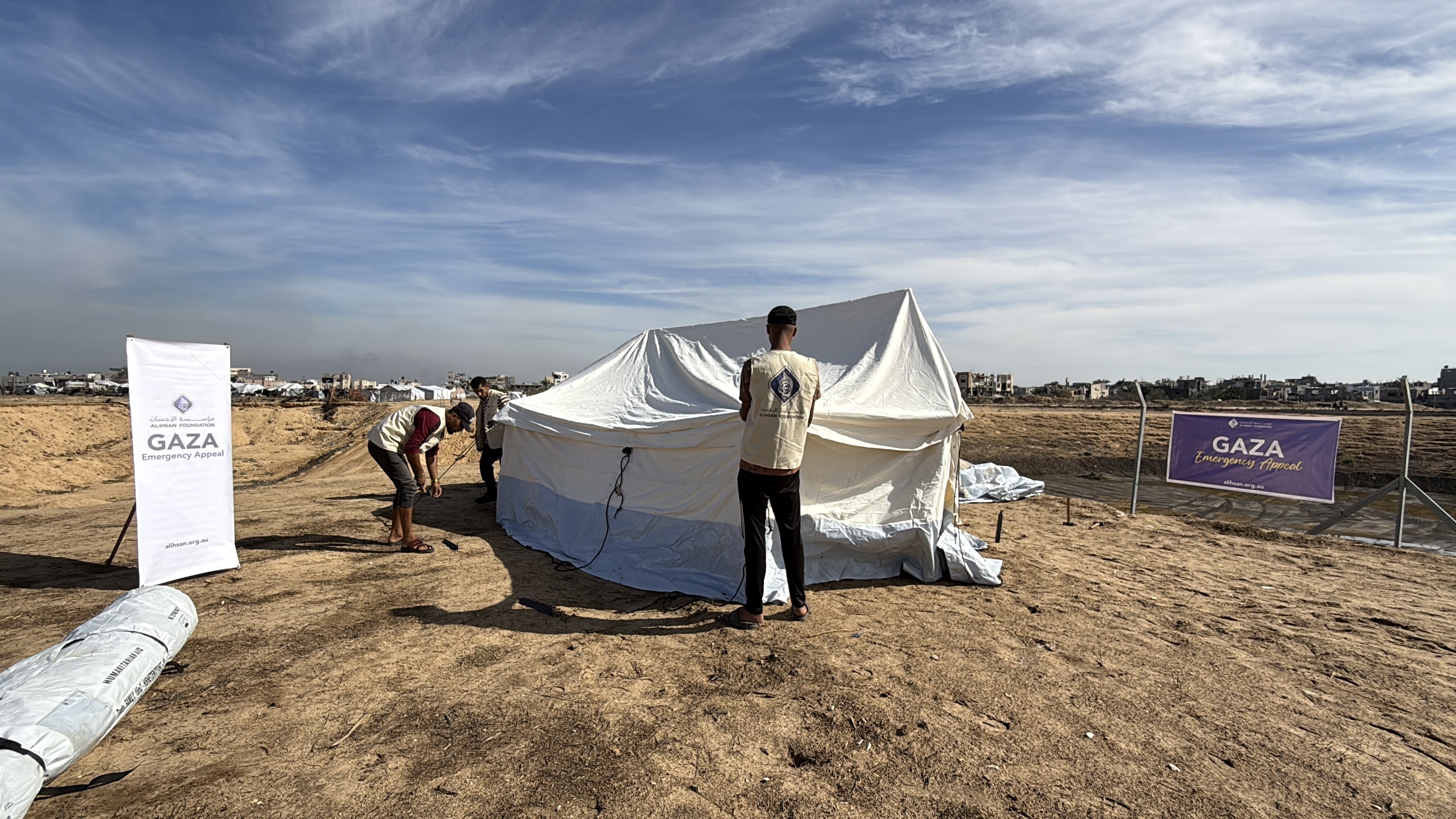
When storms hit Gaza, tents are often the first thing to collapse. Heavy rain tears through nylon sheets. Winds pull ropes from the ground. Floodwater soaks the fabric until it gives way. Within minutes, a family can lose the only structure protecting them from the cold. For families who have been displaced multiple times, this is not a one-time event, tents are destroyed again and again throughout the winter. And every time a storm passes, hundreds of families suddenly have: no shelter, no dry place to sleep, no protection for their children, no way to keep clothing, bedding, or food dry. Makeshift shelters, often built from tarpaulin, old blankets, plastic sheets, and scrap fabric, cannot withstand Gaza's winter storms. They offer: little insulation, minimal stability, no barrier against water, no ability to retain warmth. A single night of rain can turn a family's entire living space into cold, muddy ground. Without a proper tent: children sleep exposed to freezing winds, mothers have no dry place to change their babies, people with injuries or disabilities cannot stay warm, bedding and clothing become soaked and unusable, respiratory illness spreads rapidly in the cold. Shelter becomes the most urgent need because, without it, every other form of aid, clothing, food, blankets, cannot stay dry, safe, or usable. A durable emergency tent restores: privacy and dignity, safety from rain and wind, a dry space for children, a place to protect food and belongings, stability during ongoing displacement. For a family navigating their third winter in crisis, a tent is not just a structure, it is survival.
How We Deliver Aid Inside Gaza
Al-Ihsan Foundation's trusted local partners, many of whom are displaced themselves, deliver aid through community networks, distribution points, and family-by-family assessment. Storms intensify need, but they do not stop our teams from delivering relief where it is needed most.
How Can You Help Gaza Families Right Now?
Your donation strengthens our ability to deliver lifesaving winter aid to displaced families. $120 – Winter Clothing Set. Dry, warm clothing for children who have nothing else to change into. $150 – Family Food Pack. A month of essential staples for the entire family. $85 – Firewood. A clean-burning way for families to stay warm and cook. $1,100 – Emergency Tent. Shelter from rain, wind, and freezing nights. $1,455 – Sponsor a Family (Complete Winter Package). Includes: ✔ Emergency Tent ✔ Children's Clothing ✔ Family Food Pack ✔ 20kg Timber for Heating. "...and whoever saves a life, it is as if he saved all of humanity." - Qur'an 5:32
Winter Has Only Begun. Your Support Can Shelter a Family.
Storm Byron is the first major winter storm, but it will not be the last. Thousands of families are still exposed to the cold, the wind, and the storms to come. Your support today can bring warmth, safety, and dignity into a family's life. Donate now and help Gaza's families this winter.