
Virtues of Muharram 2026 | Sacred Month of Reflection | Al-Ihsan Foundation
Muharram 2026 is the Month of Allah and the start of a new Islamic year. Learn the virtues of Muharram, the reward of fasting, the significance of Ashura, and how to feed the fasting across Gaza, Lebanon, Uganda, Bangladesh, Pakistan and Sri Lanka.
Al-Ihsan Foundation
Islamic Research Team
Key Takeaways
- What makes Muharram the Month of Allah
- Why fasting in Muharram holds great reward
- The spiritual significance of the Day of Ashura
- How feeding the fasting multiplies your reward
- When Ashura 2026 is expected in Australia
- How to begin your year with worship and charity
Introduction
A new Islamic year has begun. And with it comes one of the most sacred months in the calendar — Muharram.
It is not just the first month of the year. It is Shahrullah, the Month of Allah ﷻ. A time to pause, reflect, return, and begin again with sincerity.
For many Muslims, Muharram is when we reset our intentions. We fast. We remember Allah ﷻ. We look at where we are headed — and we ask how we can draw closer to Him in the year ahead.
This guide covers the virtues of Muharram 2026, the reward of fasting, the significance of Ashura, and practical ways to turn this sacred month into meaningful worship and mercy.
What Is Muharram?
Muharram is the first month of the Islamic (Hijri) calendar and one of the four sacred months chosen by Allah ﷻ.
"Indeed, the number of months with Allah is twelve... of which four are sacred." — Surah At-Tawbah 9:36
Unlike ordinary months, Muharram carries a special weight. It marks a new beginning — not only on the calendar, but in the heart.
It invites us to step back from distraction and ask:
- •What do I want this year to be about?
- •What habits do I need to leave behind?
- •What acts of worship do I want to build?
Muharram is a month of reflection before momentum. Of return before routine.
Why Is Muharram Called the Month of Allah?
Among the sacred months, Muharram is unique. The Prophet ﷺ called it Shahrullah — the Month of Allah.
When Allah ﷻ attaches something directly to Himself, it reflects its immense sanctity. Scholars explain that this divine attribution is a sign of how honoured this month is in the sight of Allah.
That is why Muharram is not treated like any other time of year. It is a month to:
- •Turn inward
- •Renew intention
- •Increase worship
- •Begin the year with Allah ﷻ at the centre
If you have been waiting for the right moment to start again, this is it.
Why Fast in Muharram?
When the Prophet ﷺ spoke about voluntary fasting outside Ramadan, this is the month he singled out:
"The most excellent fast after Ramadan is in the Month of Allah — Al-Muharram." — Sahih Muslim
That is not a light recommendation. It is one of the most emphasised voluntary fasts in Islam.
The Prophet ﷺ fasted in Muharram. He honoured it with quiet devotion. And he taught the Ummah to do the same.
Fasting in Muharram is a way to:
- •Seek forgiveness
- •Discipline the soul
- •Begin the year with worship
- •Draw closer to Allah ﷻ through sacrifice and restraint
It is one of the most beautiful ways to enter a new Islamic year.
What Is Ashura and Why Does It Matter?
The most sacred day in Muharram is Ashura — the 10th day of the month.
It is a day of mercy, history, and immense reward.
"Fasting the day of Ashura, I hope Allah will accept it as expiation for the previous year." — Sahih Muslim
For many Muslims, Ashura is a chance to seek forgiveness for the year gone by and begin again with a clean heart.
But Ashura is not only about fasting. It is also about compassion.
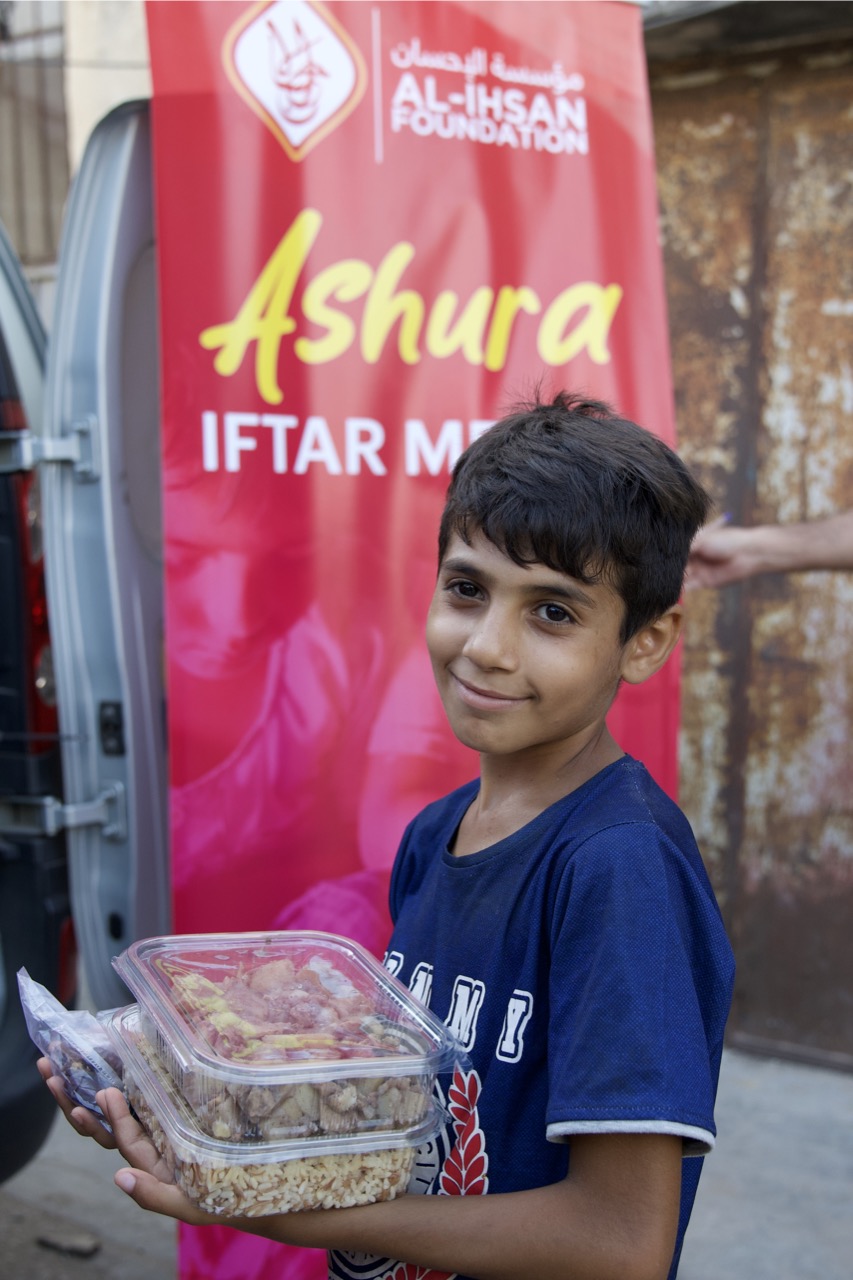
Many people around the world will fast on this blessed day without knowing what they will eat at iftar. In Gaza, Lebanon, Uganda, Bangladesh, Pakistan and Sri Lanka, families facing hardship may break their fast with little or nothing.
That is where charity becomes worship.
"Whoever feeds a fasting person will have a reward like theirs, without that detracting from their reward in the slightest." — Tirmidhi
To feed the fasting on Ashura is to share in their reward — and answer a real need with mercy.
When Is Ashura 2026?
Ashura falls on the 10th day of Muharram. In 2026, it is expected to fall around Friday 26 June, although the exact date may vary depending on the sighting of the moon.
Many scholars recommend fasting:
- •The 9th of Muharram — a Sunnah fast
- •The 10th of Muharram — the Day of Ashura
- •The 11th of Muharram — if the 9th was missed
In Australia, local moon sighting calculations may place Ashura on Saturday 27 June 2026. Always follow your local community and scholars for the confirmed date.
Whether you are fasting, supporting those who are, or doing both, Ashura is a day to turn to Allah ﷻ with sincerity — and to extend that sincerity to families in need.
How Can You Feed the Fasting This Ashura?
This Ashura, Al-Ihsan Foundation will be delivering freshly prepared hot iftar meals across multiple countries.
Your donation can help provide:
- •General Ashura iftar meals — $3 per meal, $90 feeds 30 people across Gaza, Lebanon, Uganda, Bangladesh, Pakistan and Sri Lanka
- •Gaza iftar meals — $11 per meal, $330 provides 30 meals for displaced families
Every meal is prepared and distributed through trusted local partners working directly with vulnerable communities.
Whether you are fasting or not, you can still share in the reward of feeding a fasting person on one of the most blessed days of the Islamic year.
What Should You Focus on During Muharram?
Muharram teaches us that time is not just passing — it is testimony.
"By time, indeed mankind is in loss, except for those who believe, do good deeds, encourage truth, and encourage patience." — Surah Al-Asr 103:1–3
Every day in this sacred month is an opportunity to build your akhirah. Not through perfection, but through sincerity.
This is a strong month to focus on:
- •Fasting, especially Ashura and the days around it
- •Du'a and remembrance of Allah ﷻ
- •Charity, especially feeding the hungry
- •Patience, gratitude, and renewed intention
In places like Gaza, Uganda, Pakistan, Sri Lanka, Lebanon and Bangladesh, patience is not abstract. It is lived daily — often with empty hands and full hearts.
Feeding the fasting on such days is not only compassion. It is a response to hardship, a form of worship, and a way to begin the year with mercy.
Remember Allah — and Remember Those in Need
As you enter this sacred month, begin with remembrance.
"So remember Me; I will remember you. And be grateful to Me and never be ungrateful." — Surah Al-Baqarah 2:152
Remember Allah ﷻ. Remember those in hardship. And remember what He loves:
- •Feeding the hungry
- •Easing hardship
- •Supporting widows, orphans and displaced families
- •Beginning the year with sincerity
This Muharram, let your worship go beyond yourself.
A widow in Lebanon. A child in Gaza. A refugee family in Bangladesh. A household in Pakistan struggling to afford food.
Your sadaqah can be their iftar. Your mercy can reach them on one of the most blessed days of the year.
Let This Muharram Begin With Mercy
Muharram is the Month of Allah ﷻ.
Ashura is one of its greatest days.
And your charity on this day can carry reward that reaches both the fasting person and you.
It is a month to return. A day to seek forgiveness. And an opportunity to feed families who may not know where their next meal is coming from.
May Allah ﷻ accept your fast, your du'a, and your charity this Muharram.
Begin the year with worship. Begin it with mercy. Begin it with Ihsan.
Frequently Asked Questions
Stay Informed
Stay Connected and Inspire Change with Al-Ihsan
Stay connected, inspire meaningful change, and support compassionate community efforts through Al-Ihsan.